News
Raw Material Preparation, Mixing and Filling for King Oyster Mushroom Fruiting Bags & Bottles
Raw Material Preparation and Formulation
King oyster mushroom cultivation typically utilizes cottonseed hulls, corncobs, and sawdust as primary ingredients, with wheat bran, corn flour, and soybean meal serving as the main supplements. Sawdust must be stockpiled outdoors for at least three months; other raw materials must be fresh, dry, and free from mold; and the water used for production must meet urban drinking water standards. Additionally, auxiliary materials such as plastic crates, punching rods, plastic caps, and plastic bags should be ordered and prepared in advance based on market demand.
During production, the nutrient balance of the culture medium must be carefully managed; a carbon-to-nitrogen (C/N) ratio of 25–30:1 is generally optimal. Insufficient nutrients result in weak mycelial growth, low vitality, and reduced yields, whereas excessive nutrients increase the risk of contamination by unwanted microorganisms, ultimately compromising production. Cultivation materials may be selected based on local availability; the following common formulas are provided for reference:
① Corncobs 40%, sawdust 20%, wheat bran 20%, corn flour 8%, soybean meal 8%, light calcium carbonate 2%, gypsum 2%.
② Cottonseed hulls 20%, sawdust 17%, corncobs 30%, wheat bran 20%, soybean meal 5%, corn flour 5%, gypsum 1%, light calcium carbonate 2%.
II. Ingredient Preparation and Mixing
1. Pre-treatment of Raw Materials
Cottonseed hulls and corncobs require pre-soaking until fully saturated (i.e., no dry white core remains); this usually involves soaking for 12 hours, after which the water is drained and the materials are set aside for use the following day. Sawdust must be sieved before use to prevent hard objects from puncturing the bags during filling. Corncobs and sawdust should have uniform particle sizes, ideally not exceeding 10 mm.
2. Preparation of the Culture Medium
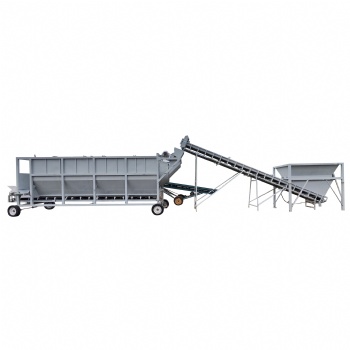
Convert the quantities of sawdust, pre-wetted materials, and other ingredients into volumes based on the chosen formula. Using a primary mixer, add half of the primary ingredients first, followed by supplements such as corn flour. Mix for 5 minutes, then add the remaining half of the primary ingredients. After mixing for another 5 minutes, adjust the moisture content and pH value; the target moisture content is 62%–65%, and the target pH range is 7.5–7.8. Only after testing is complete should the mixture proceed to the secondary and tertiary mixing stages; each stage requires 10 minutes of mixing before bottling or bagging. Two key points must be observed during mixing: first, the raw materials must be blended thoroughly to ensure uniform consistency and moisture content, with no dry pockets or unmixed areas; second, the mixture must not be allowed to sour or spoil. Especially during hot seasons, fans should be installed above the mixer to dissipate heat generated during the process, thereby minimizing heat buildup and spoilage.
III. Bagging and Bottling
1. Bagging
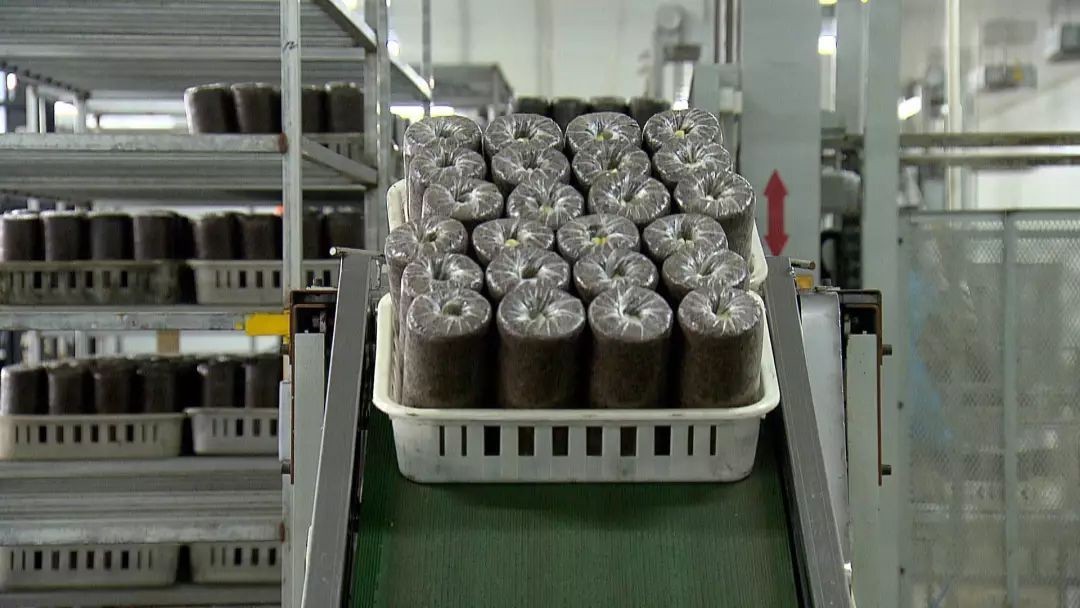
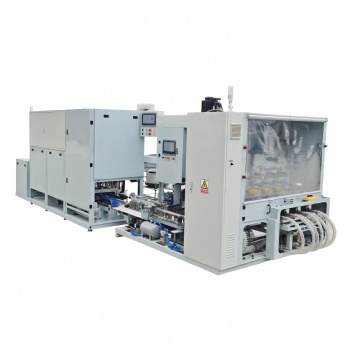
Typically, polypropylene gusseted bags (specifications: 18 cm × 36 cm × 0.005 cm) are used. An automatic punch-type bagging machine suited to the bag size is selected; the machine creates a central hole (2 cm in diameter and 10 cm deep) directly within the substrate, achieving an output of approximately 1,200 bags per hour. Bagging requirements: Taking the 18 cm gusseted bag as an example, the substrate should be packed tighter at the top and looser at the bottom, with a finished bag height of 18 cm (containing 450 g of dry material and 1,200 g of wet material). The target weight is 1,200 g ± 50 g; minimizing weight variance ensures greater consistency across cultivation bags, which facilitates easier mushroom-growing management later on. After bagging, collars and caps are fitted, and the bags are placed in turnover crates for prompt sterilization.
2. Bottling
Automatic bottling machines handle the filling, hole-punching, and capping processes. The substrate density must be uniform, and the fill level should ideally reach the midpoint between the bottle shoulder and the bottle mouth. For a 1,100 ml bottle, the standard total weight (including the bottle and cap) is 1,020–1,050 g, with a permissible deviation of no more than 20 g.



 Send Email
 WhatsApp