News
Cultivation Season of King Oyster Mushrooms (Pleurotus eryngii)
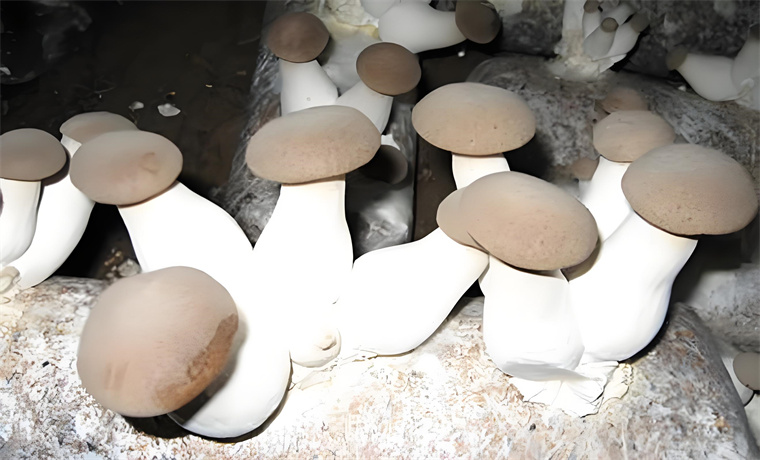
1.Traditional Natural Cultivation in Northern China
The core goal of cultivating king oyster mushrooms (Pleurotus eryngii), same as other edible fungi, is to gain economic profits.
When planning cultivation schedules in northern China, growers need to take local climate, market supply and seasonal prices into full consideration to maximize benefits.
King oyster mushrooms (Pleurotus eryngii) only fruit within a narrow temperature range of 10–20℃. Under natural conditions, spring and autumn are suitable fruiting seasons in northern China.
March to April in spring is the optimal fruiting period, while September to October in autumn is the secondary preferred season.
Disadvantages of spring cultivation:
Low temperature slows down mycelial growth and extends the spawn running period.
Higher temperature and heavy rainfall during fruiting easily trigger pests and diseases.
Overall production efficiency is lower than autumn cultivation.
2. Factory Cultivation of King Oyster Mushrooms (Pleurotus eryngii)
Factory production is not restricted by seasons and can operate all year round.
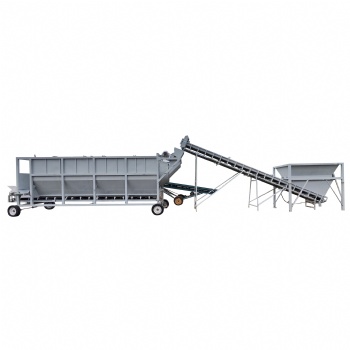
The whole process adopts high mechanization and automatic control: mixing raw materials, bottling, sterilization, inoculation, spawn running, scratching mycelium and fruiting management are all finished by machines.
The total production cycle lasts around 60 days, divided into three stages:
Mycelial growth: about 30 days
Post-ripening: 7–10 days
Fruiting period: around 20 days
Brief Summary
For natural greenhouse cultivation in northern China: Autumn cultivation delivers better yields; spring (March–April) is an alternative choice with higher risks of diseases and low output.
For industrialized cultivation: Stable year-round output with standardized production cycles, free from seasonal climate restrictions.




 Send Email
 WhatsApp